olitical analyst says Washington continues prioritising Iran’s nuclear programme over a permanent end to the war
Mai Anati
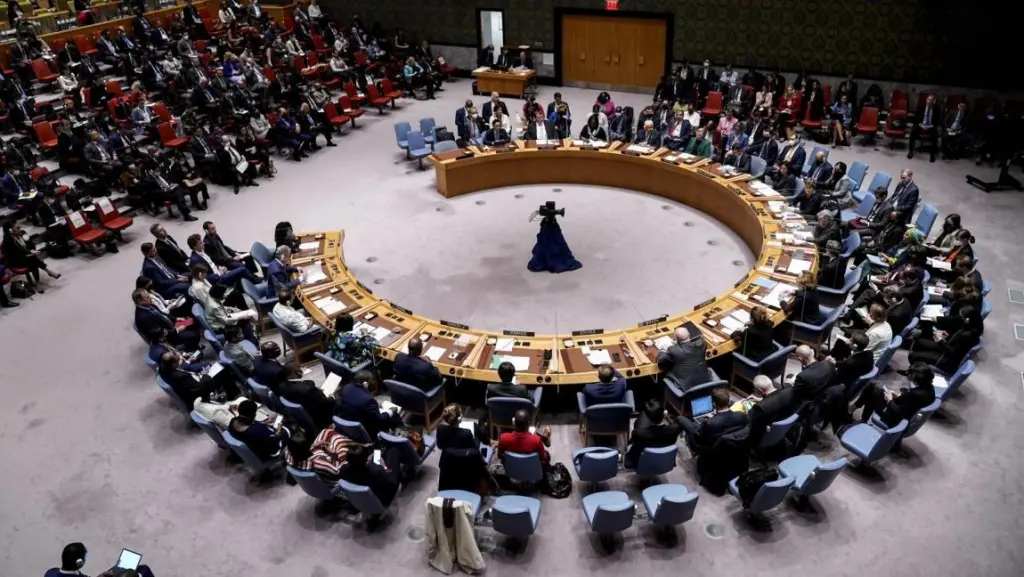
|AMMAN — Hopes for a US-Iran agreement to ease tensions across the Middle East lifted global markets Monday, but unresolved disputes over Iran’s nuclear programme continued exposing the fragility of the diplomatic track.
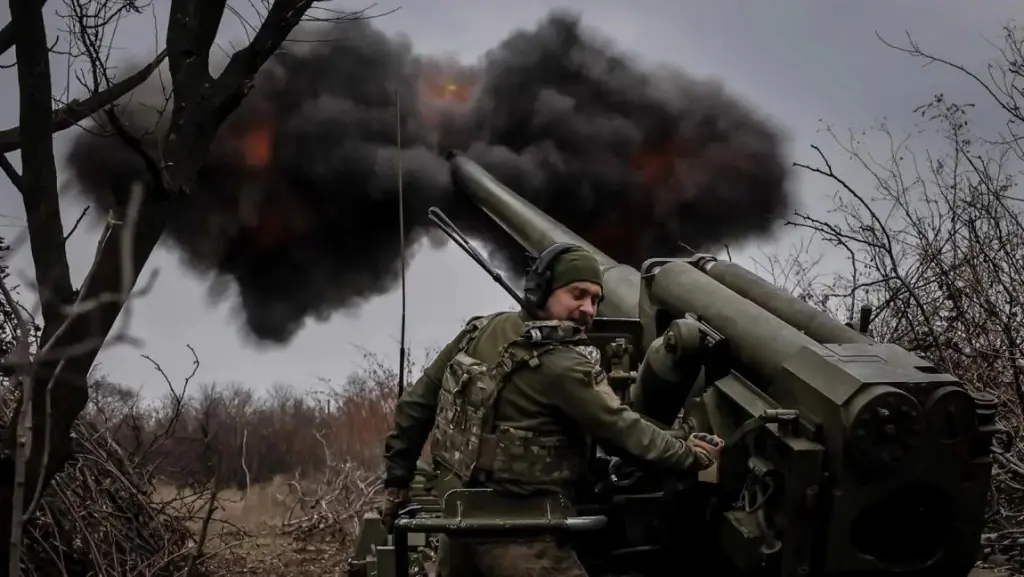
The renewed diplomatic push comes after months of conflict that erupted on February 28 following joint US-Israeli strikes against Iran, triggering missile exchanges, drone attacks and escalating military tensions across the region.
Although a ceasefire has technically been in place since April 8, tensions have continued through maritime restrictions, economic pressure and competing military posturing in Gulf waters.
According to US media reports, negotiations are now focused on a broader understanding that could include reopening the Strait of Hormuz and easing restrictions on regional shipping and Iranian oil exports.
However, the nuclear dispute remains the central obstacle.
US Secretary of State Marco Rubio said Sunday that resolving the Iranian nuclear file could not be achieved quickly, describing the negotiations as highly technical.”
You cannot solve a nuclear issue in 72 hours,” Rubio said during remarks in India.
The White House also sought to temper expectations of an immediate breakthrough.
US President Donald Trump said negotiations were proceeding in a constructive and organised manner,” but stressed that he had instructed negotiators not to rush” into finalising an agreement.
The Blockade will remain in full force and effect until an agreement is reached, certified and signed,” Trump wrote on Truth Social.
Iranian officials also acknowledged that several key clauses remain unresolved.
Iran’s Tasnim news agency reported that disputes continue over frozen Iranian assets and future arrangements surrounding the nuclear programme.
Iranian Foreign Ministry spokesperson Esmail Baghaei said discussions were underway regarding a 14-point memorandum of understanding aimed at ending the war across all fronts,” while postponing disagreements over the nuclear file for an additional 30 to 60 days.
The emerging framework reflects growing international concern over the strategic importance of the Strait of Hormuz, one of the world’s most sensitive energy corridors carrying nearly one-fifth of global oil and liquefied natural gas shipments during peacetime.
Any breakthrough involving Hormuz would likely reshape regional calculations, ease pressure on global energy markets and redefine the balance between military escalation and diplomacy in the Gulf.
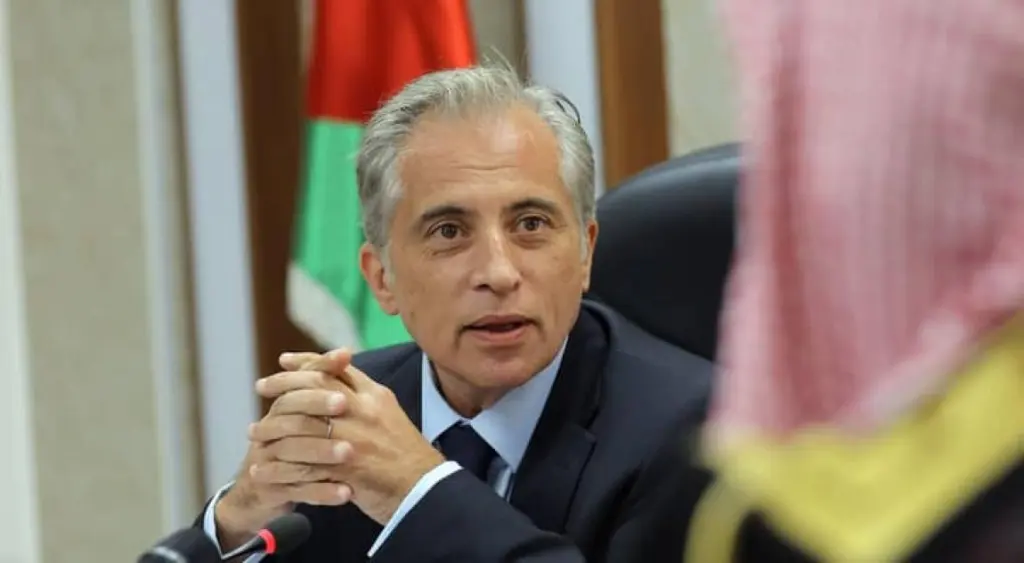
Political analyst Amer Sabaileh said the US strategy has been clear from the outset and that the nuclear file remains Washington’s core priority.
What Iran seeks is a complete end to the war, while Washington has effectively imposed a pause in the fighting rather than a definitive settlement,” he added.
Tehran attempted to position the Strait of Hormuz as a central bargaining tool and pushed for the release of frozen Iranian assets, but these demands remain unacceptable to Washington,” Sabaileh noted.
The United States continues insisting that any agreement must begin with the nuclear programme and the issue of uranium extraction,” he said.
In that sense, the current ceasefire formula does not necessarily serve Iran’s strategic objectives, because Tehran is ultimately seeking an end to the war itself, not merely a temporary suspension of hostilities,” he added.
The negotiations now place the region at a delicate crossroads between temporary de-escalation and a deeper unresolved confrontation, with the nuclear file continuing to overshadow every diplomatic opening.
The Jordan Times